

How to Use iPhone with Linux (Complete Guide)
iPhones are, past definition, restricted to sync with iTunes. That is, unless y'all jailbreak them. While I personally have no issue with this, the fact remains that Apple tree has, for some reason, not put out an iTunes client for Linux distros. This can be a huge headache for iPhone users who want to use a Linux desktop, because it'south non possible to sync iPhones with Linux distros like Ubuntu. Then, if you're wondering how you can use an iPhone with Linux, here is a consummate guide that might assistance yous :
Understanding the Problem
The main problem, with using an iPhone with a Linux organization, is the fact that you just can't sync it. iTunes is the just software that a not-jailbroken iPhone will sync with, and it is not available for any Linux platforms, withal. There are a number of libraries such equally "libimobiledevice" that tried to let users sync iPhones with Linux, but not but is it a hassle to get it running, information technology doesn't piece of work for iOS 10. And then if you have an iPhone, and yous're using a Linux system as your daily driver, yous're kind of out of luck.
How nigh some Wine
Wine (which is a recursive acronym for Wine Is Non an Emulator) is a compatibility layer awarding that can permit a user to run Windows apps on a Linux system (most of the time). And so my first effort at using an iPhone with Linux was to run iTunes with Wine. I used PlayOnLinux as the forepart-end for the software, and and so I plant out, that Wine will not allow for USB passthrough, so there's no way that an iPhone will sync with it. Y'all could still employ iTunes for everything else, including managing your iCloud Music Library, just if it doesn't sync with an iPhone, there'southward really no use for it. Which brings us to a workaround of sorts.
OwnCloud and XAMPP for Transferring Files Betwixt Linux and iPhone
The beginning problem that we'll tackle, is somehow enabling the transfer of files, and documents between an iPhone and a Linux desktop. To practise this, yous tin use something similar OwnCloud, forth with XAMPP on your Linux organisation.
- OwnCloud is aself-hosted deject server that yous can access on your iPhone. It comes with a complimentary programme, and is pretty much the best manner to be able to transfer documents between your iPhone and a Linux desktop. However, OwnCloud requires a server to run on, in the commencement place, which is where XAMPP steps in.
- XAMPP is an easy fashion to get a LAMP server running on your Linux, Mac, or Windows arrangement. Just be careful that you install a version of XAMPP running at least PHP v.four, because OwnCloud will not work on anything below that.
Now that we've cleared all that out, permit's get started with installing OwnCloud, and XAMPP on our system. I'1000 using a automobile running Ubuntu 16.10 Yakkety Yak to do this, and the process should be similar for most other systems.
Installing XAMPP on Ubuntu 16.ten
We'll install XAMPP first, and gear up a folder where we can keep the OwnCloud files. To do this, merely follow the steps beneath:
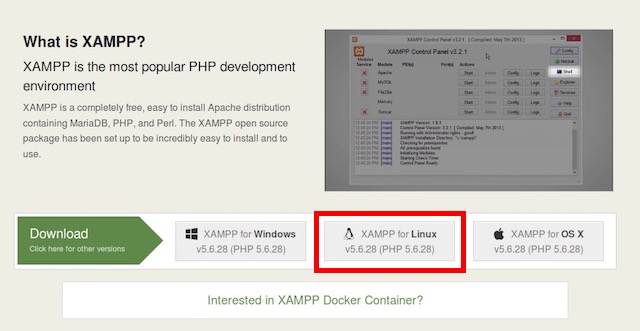
- Download the XAMPP installer from the official website. It volition exist in the class of a .run file.
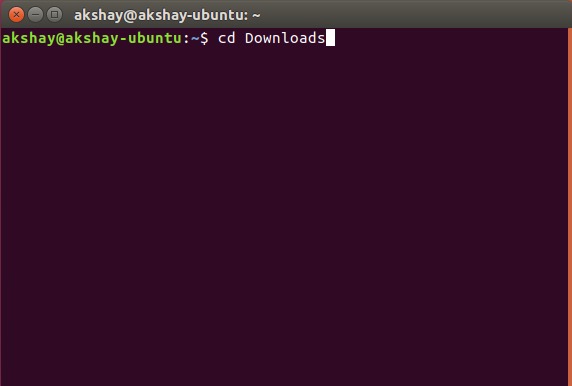
- Once yous've downloaded it, launch the Terminal, and cd into the Downloads directory with the "cd Downloads" command. If yous downloaded the installer to a different directory, simply use the proper name of that directory in place of "Downloads". Also, brand sure you utilise proper capitalization, or the control will fail.
- Here, we'll beginning give the installer permissions to execute. In the Terminal, run the command "chmod +x xampp-linux-x64-v.6.28-ane-installer.run".
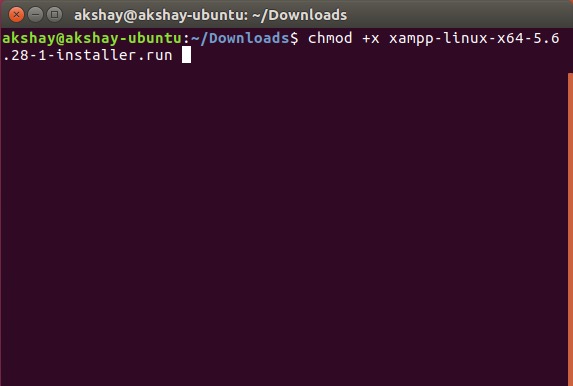
Annotation :The name of the installer may be different. Just apply the exact name of the installer. You can blazon "chmod +x xampp", and press the "tab" key to autocomplete the name.
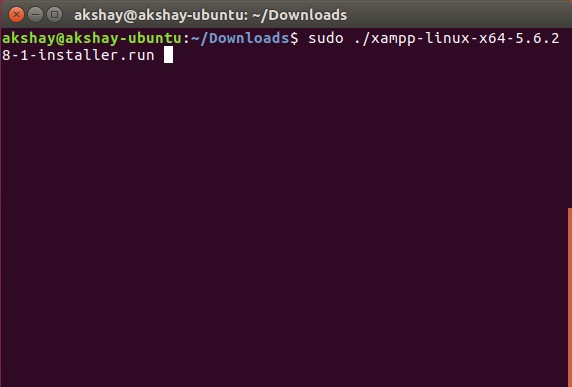
- Now, we will execute the installer, with root permissions using the command "sudo ./xampp-linux-x64-5.6.28-1-installer.run". You volition be asked for your password. Blazon it in (it volition not exist displayed, even as asterisks), and hit Enter.
- The installer will then run, and you just have to follow the instructions in the installer to install XAMPP on your organisation. Information technology is installed in the "/opt/" directory.
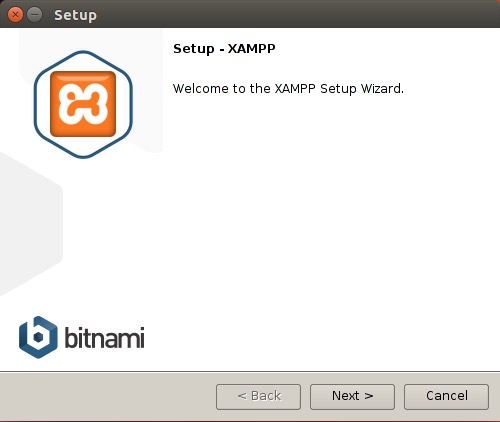
Creating a Folder to Place the OwnCloud Files for XAMPP
At present that XAMPP is installed, we demand a folder we can place the OwnCloud files, then that XAMPP can run information technology. There's a folder called htdocs, where you can place the websites that you want XAMPP to be able to run, and it is nowadays at "/opt/lampp/htdocs". We'll not place the OwnCloud files inside the "opt" directory, though. Just follow the steps below:
- In Final, navigate to the home folder with "cd ~", or but "cd".
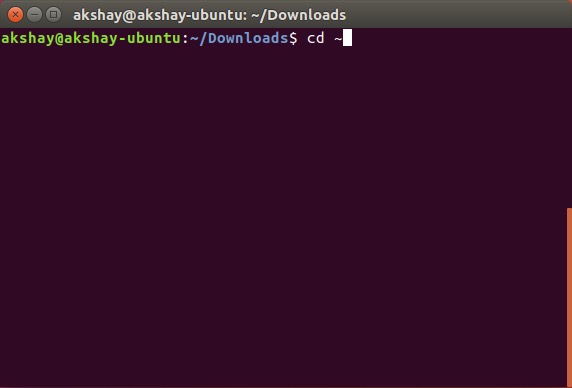
- At present, brand a folder chosen "public_html" here, with the command "mkdir public_html".
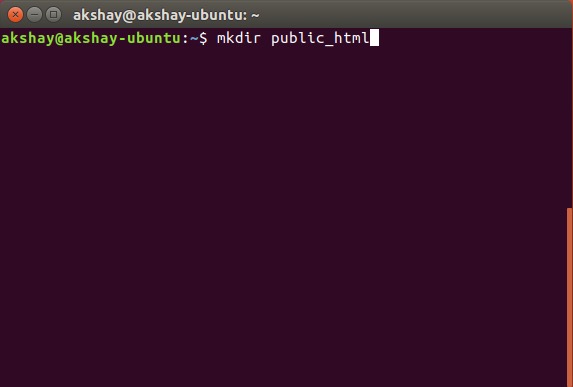
- Next, we will give read/write admission to everyone for the "public_html" folder with the control "sudo chmod 777 -R public_html".
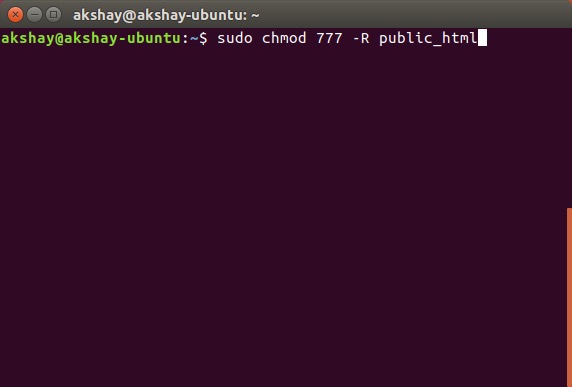
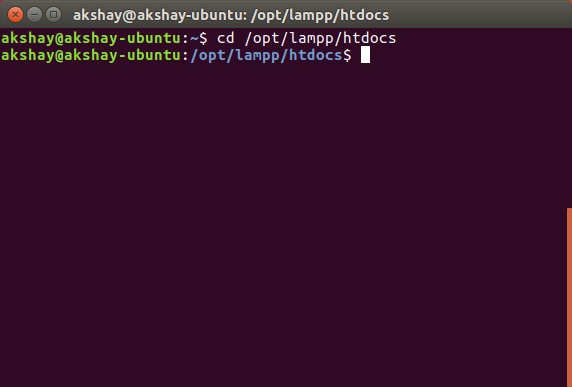
- Now, utilize the command "cd /opt/lampp/htdocs", to navigate into the htdocs folder.
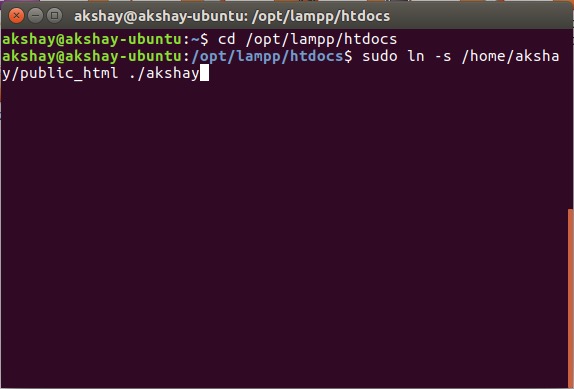
- Hither, simply run the command "sudo ln -due south /home/username/public_html ./username". Replace "username" with your Username in Linux. In my case, the username is "akshay", then the command I'm using is "sudo ln -s /home/akshay/public_html ./akshay".
Your "public_html" folder is at present gear up to host files for XAMPP to run. Let's install OwnCloud at present.
Installing OwnCloud on Ubuntu 16.10
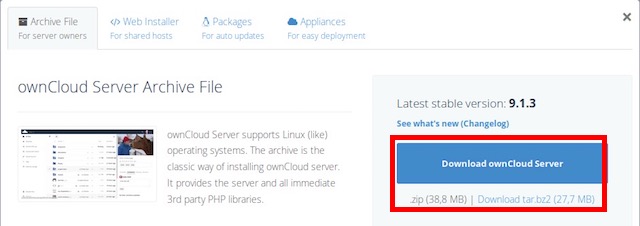
- Download the ZIP file for OwnCloud from their official website.
- Extract this into the "public_html" binder yous created while setting upward XAMPP.
Running OwnCloud on XAMPP in Ubuntu 16.10
You can now run OwnCloud on your Ubuntu sixteen.10 system, with XAMPP. Just follow the steps below:
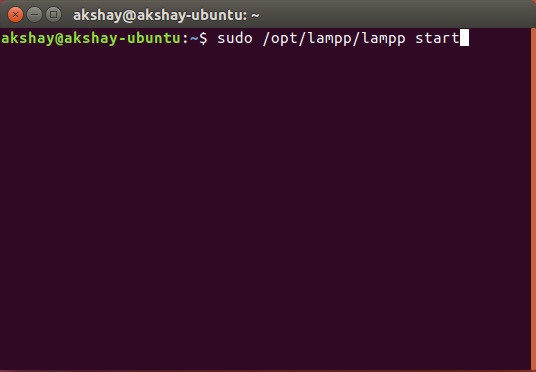
- In Concluding, run the command "sudo /opt/lampp/lampp start". This will start the XAMPP server on your system.
- Now, in your browser, merely navigate to "http://localhost/username/owncloud". Replace "username" with your username. In my example the address is "http://localhost/akshay/owncloud".
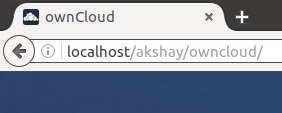
- Yous volition exist presented with a screen where y'all'll have to create your admin username, and password. Only choose whatever you want to apply as your login credentials.
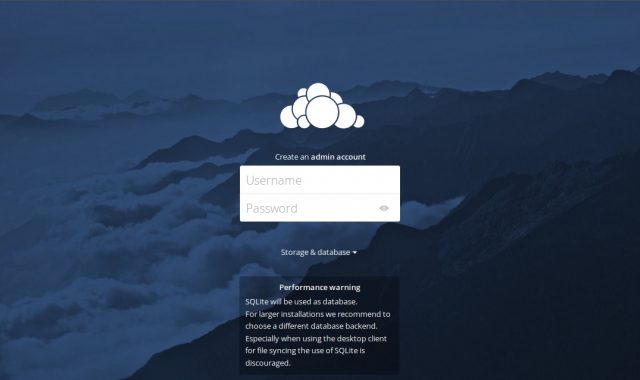
Note :If you encounter an fault that OwnCloud could not write data, just launch Terminal, and run the control "sudo chmod 777 /home/username/public_html/owncloud". Replace "username" with your username.
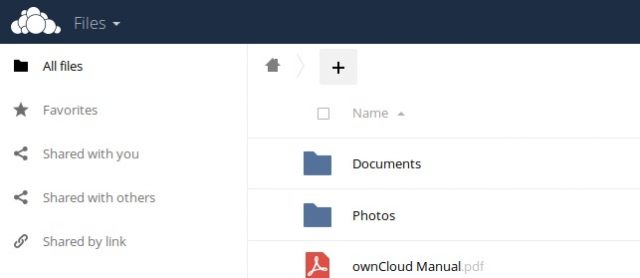
- Once you sign in, you'll be taken to the main OwnCloud interface. This is where y'all can upload, delete, and otherwise manage all your files.
Connecting to OwnCloud from iPhone
Then you lot've uploaded all the files yous want to be able to access on your iPhone, to your OwnCloud server. There's nevertheless the matter of actually connecting your iPhone to OwnCloud before you can actually transfer files between the devices. To do this, yous'll have to permit the config file for OwnCloud to allow access using the IP address of your reckoner.
Editing the OwnCloud config File
Editing the OwnCloud config is like shooting fish in a barrel, merely follow the steps below:
- In Terminal, navigate to the OwnCloud config folder, using "cd /home/username/public_html/owncloud/config".
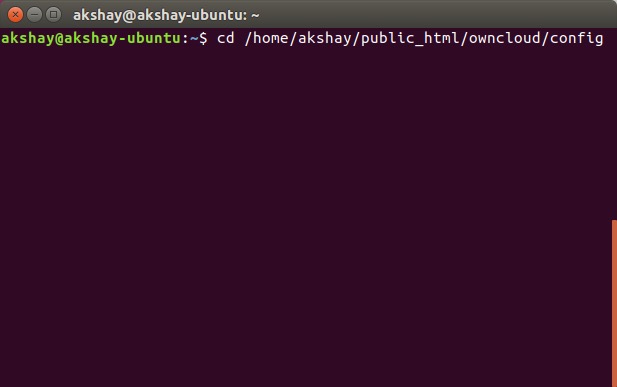
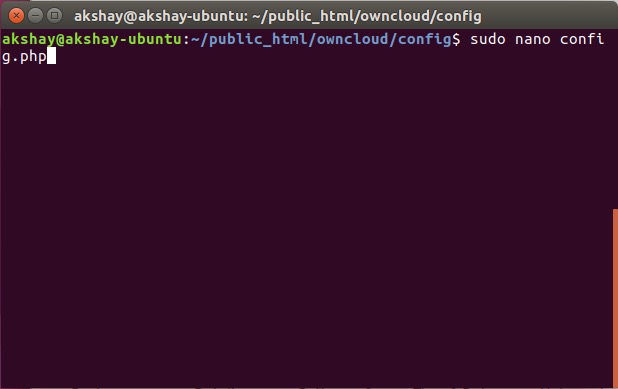
- Here, run the command "sudo nano config.php". This will open up the config file inside Terminal, gear up to be edited.
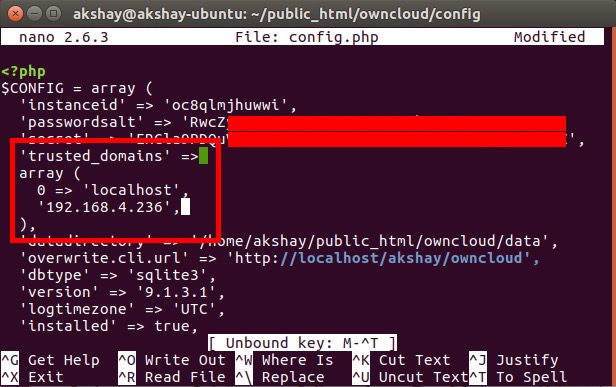
- Simply locate the line that says "trusted_domains". Y'all will encounter "localhost" already added there. Create a new line after "localhost", and type the IP address of your estimator inside single quotes. The edited "trusted_domains" section should await something like this:
[php]'trusted_domains' =>
assortment (
'localhost',
'192.168.ii.236',
),[/php]
Connecting iPhone to OwnCloud
Connecting your iPhone to your OwnCloud server is easy, and tin exist done in one of two means. Nosotros'll talk over both of them here, and you can use the ane that suits yous better.
ane. Connecting from iPhone to OwnCloud with Safari
To connect your iPhone to your OwnCloud server, only follow the steps below:
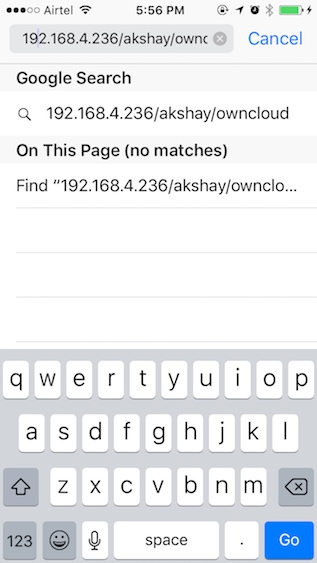
- Launch Safari on your iPhone, and in the accost bar, navigate to "http://ipaddress/username/owncloud/". Obviously, replace "ipaddress" with the IP accost of your computer, and "username" with your username.
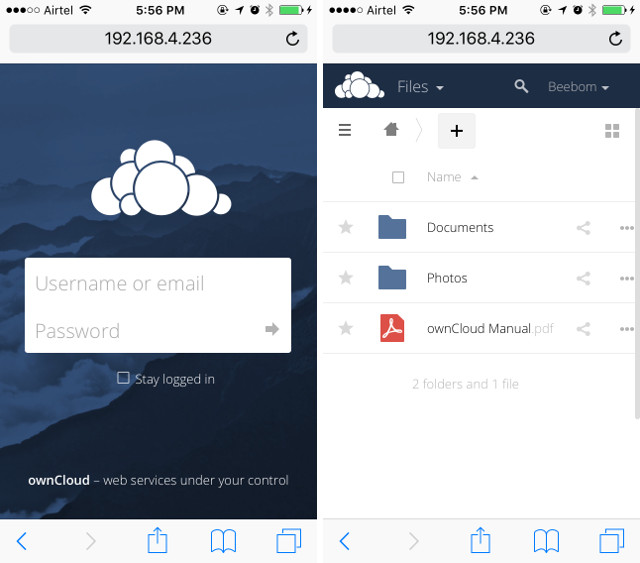
- You lot will exist presented with a login screen. Utilise the credentials you created while setting up OwnCloud to log in. Once you do this, y'all will be shown all the files and folders present on your OwnCloud server. You tin can browse the files, and download whatever files that you want.
2. Connecting from iPhone to OwnCloud with a WebDAV client
OwnCloud supports WebDAV to transfer files, and if you lot have an app (like Documents five by Readdle), that can connect to WebDAV servers, you can hands admission your OwnCloud server with information technology. There are quite a number of iPhone file managers that support WebDAV, and you can use any one of them to connect to OwnCloud. I'm using Documents 5.
- Launch Documents 5 on your iPhone, and tap on the icon that says "Services". Here, tap on "Add Business relationship".
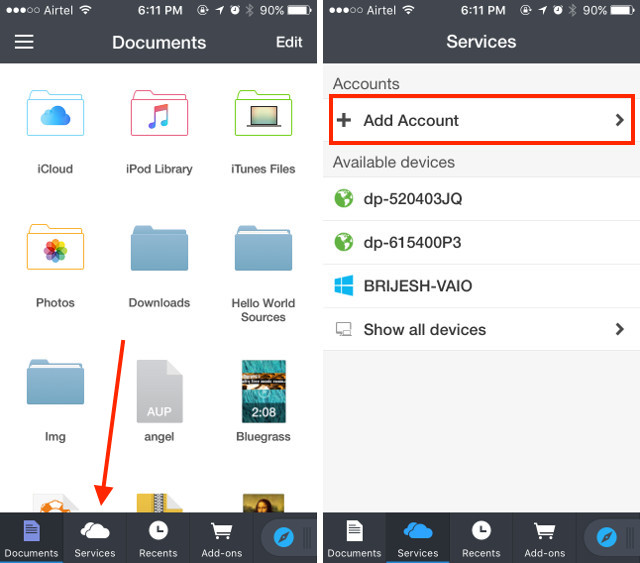
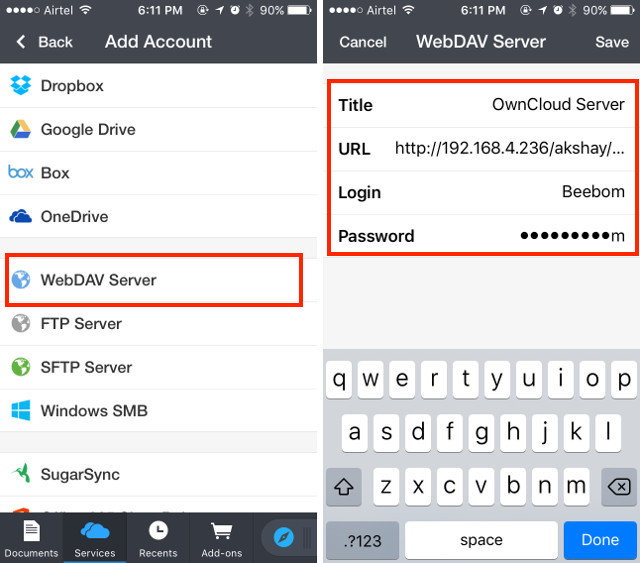
- Choose "WebDAV Server" from the listing, and enter a name for the server, along with the URL "http://ipaddress/username/owncloud/remote.php/webdav/". Enter your OwnCloud username and countersign, every bit well.
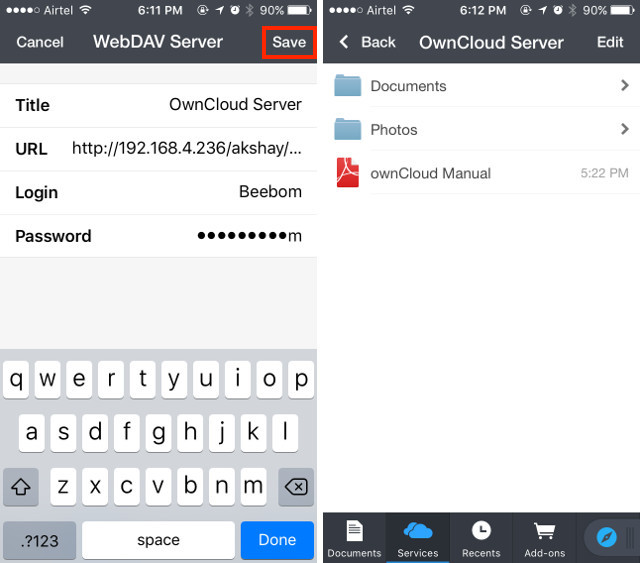
- Once you're done, merely tap on "Save", and Documents volition connect to your OwnCloud server. You will then exist able to view (and download) all the files available on your OwnCloud server.
Annotation :If you utilise DHCP (you probably do), chances are, your figurer's IP address volition proceed irresolute, and you will accept to manually edit the config file everytime it happens. It's better if you assign a static IP address to your computer, then you only take to edit the config file in one case.
Google Play Music to Manage Music betwixt Linux and iPhone
Since we're out of luck with iTunes on Linux, we'll take to turn to other options. 1 of these options is Google Play Music. The music service volition allow you to upload your music to the cloud, and y'all tin can access on your iPhone with the official Google Play Music app. With this, nosotros're completely bidding good day to iTunes. So, let's see how to become this washed.
Using Google Music Manager to Upload Music on Google Play Music
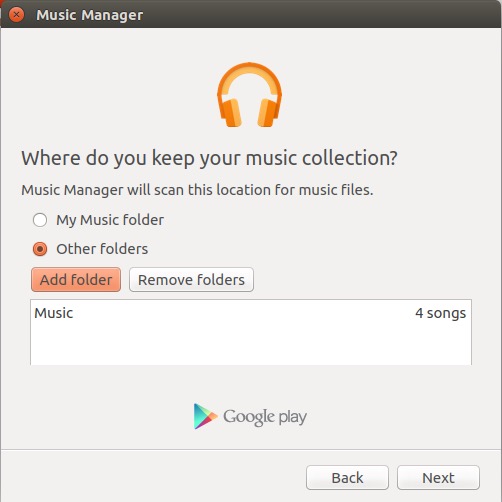
The first matter we'll accept to do, before accessing our music on our iPhone, is uploading our music library on the Google Play Music website. To practise this, we'll need to install Google Music Manager. This tin can be washed easily past post-obit the steps given below:
- Download the Google Music Manager client from the official website. It is downloaded a s .deb package in Ubuntu, and will direct open in the Software Center, and you tin install information technology.
- From your Awarding launcher, expect for Google Music Director, and launch it.
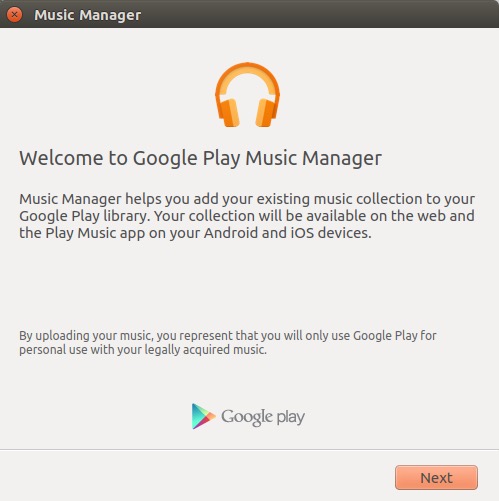
- Follow the steps to get Music Managing director ready, and running. Once everything is done, your music library volition be automatically uploaded to your Google Play Music library.
- One time your songs accept uploaded (it may take time, depending on the size of your library), you can launch the Google Play Music app on your iPhone (download), and sign in with your Google account. You'll detect your music right there.
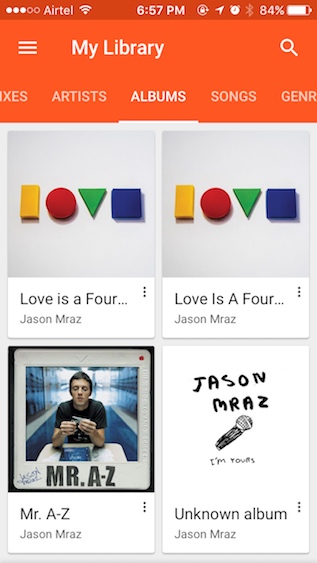
In the future, you merely accept to put your new music files in your Music binder in Linux, and Google Music Manager will automatically upload it to the Google Play Music library, so y'all tin can access it on your iPhone, and whatsoever other device you have Google Play Music installed on.
Come across ALSO: How to Install Linux on Chromebook (Guide)
Utilize your iOS device with Linux with these services
Y'all can manage everything on your iPhone or even iPad with Linux, using the services I take mentioned in this commodity. Plus, all of these services have a free tier available that you can use. Google Play Music offers a complimentary program that will let you upload up to 50,000 songs on the cloud, and OwnCloud allows y'all to host your ain server, which means that y'all don't need to pay them anything. Obviously, this is nowhere equally easy equally using iTunes to sync an iPhone – a procedure thatsimply works –just, this is the closest you tin come up to using an iPhone with Linux.
As always, practise share your thoughts on using an iPhone with Linux, and if you have whatever queries, do permit us know in the comments department below.

Source: https://beebom.com/how-use-iphone-with-linux/
Posted by: mcallisterefors1965.blogspot.com
0 Response to "How to Use iPhone with Linux (Complete Guide)"
Post a Comment